


How India’s $100B Wedding Industry is Driving Sri Lanka’s Economic Comeback
By R Hassen · 2 min read · Aug 6, 2026
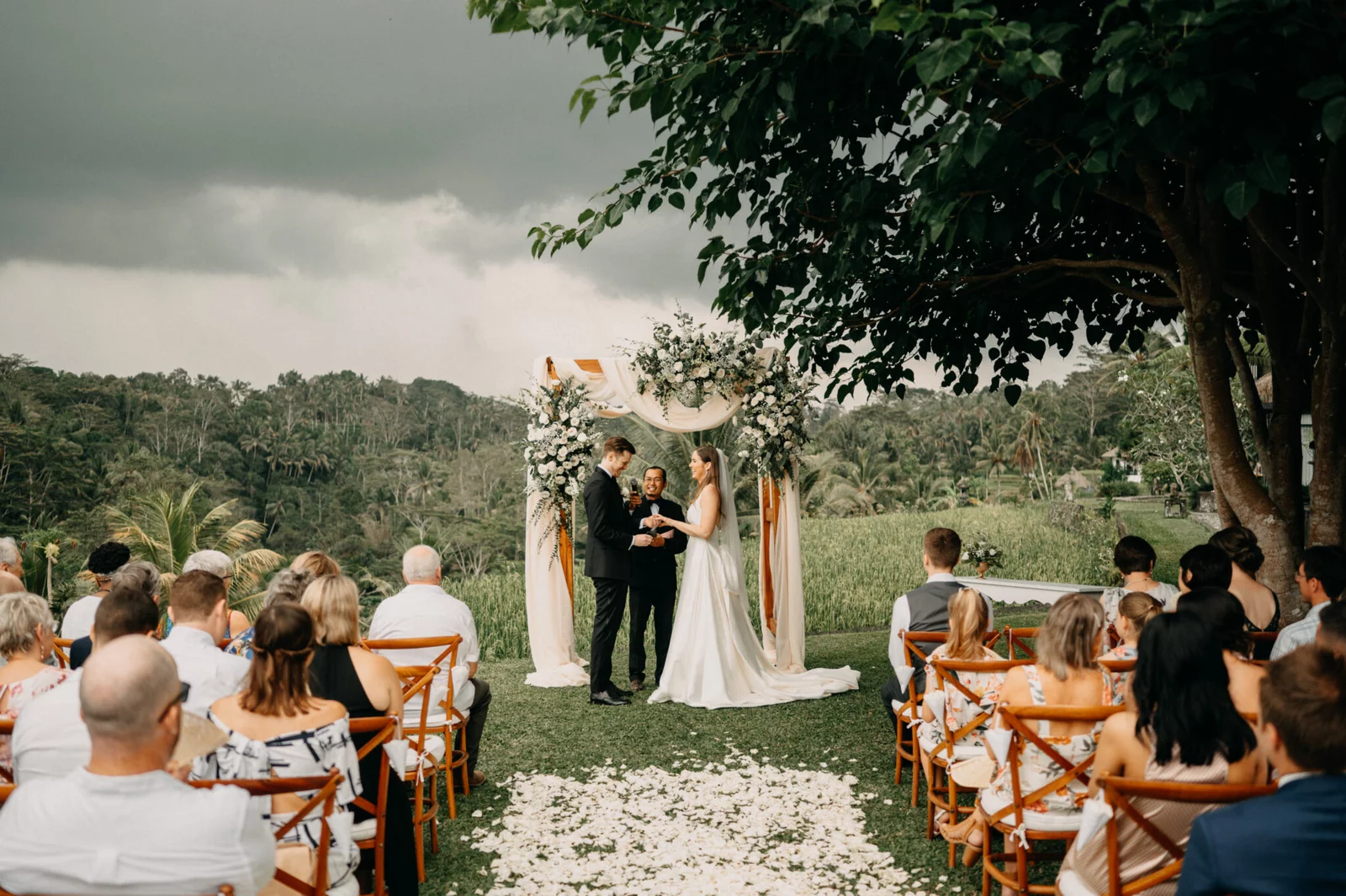
When people talk about economic recovery, they usually think of international bailouts, trade deals, or infrastructure investments. But across South Asia, a different economic force is making waves
As Indian families increasingly take their multi-day celebrations overseas, Sri Lanka has emerged as one of the fastest-growing destination wedding hotspots in the region.
1. The $100 Billion Celebration Economy
The Indian wedding market is estimated to be worth over $100 billion annually, making it one of the largest celebration economies in the world.
Destination Surge: 1 in every 4 Indian weddings last year was a destination wedding, a figure projected to reach 1 in 3 by 2028.
High Average Spend: The average international destination wedding costs approximately $175,000.
Longer Stays: Post-pandemic celebrations have expanded, lasting over 3 days on average compared to under two days previously.
With the global South Asian diaspora spread across North America, Europe, and the Gulf, host destinations act as central meeting points for international family reunions.
2. Why Sri Lanka is Winning the Destination Market
While traditional favorites like Thailand, Bali, and Vietnam continue to attract couples, Sri Lanka saw a 25% surge in popularity in 2025, with annual growth projected at 20–25% moving forward.
Cost Savings: Hosting a wedding in Sri Lanka is typically 20% to 30% less expensive for families compared to similar setups in India.
Proximity & Access: Short direct flights from major Indian cities make travel seamless for guests of all ages.
Cultural & Culinary Harmony: Sri Lankan hospitality partners understand traditional South Asian customs, rituals, and dietary preferences.
Regional Stability: Shifting dynamics and higher airfares in parts of West Asia have redirected interest toward stable, accessible destinations in South Asia.
3. The Economic Ripple Effect: Unlocking the Tourism Ecosystem
In an interview featured in the video, Anita Mendiratta, Special Advisor to the Secretary-General of UN Tourism, highlights why destination weddings carry such immense economic value.
"When it comes to destination weddings, people aren't just coming for one day... length of stay extends from 4 to 7 days. This allows the destination's full tourism ecosystem to be unlocked—from retail and local food to culture and transportation." Anita Mendiratta
Unlike traditional vacations centered around a single resort, Indian weddings feature sequential events—such as the Haldi, Mehendi, Sangeet, and main ceremony. Spreading these events across different venues generates direct revenue for local caterers, decorators, florists, musicians, photographers, and transport operators.
4. Turning Recovery into Long-Term Growth
Following challenges from the 2019 Easter bombings, the global pandemic, and the subsequent economic crisis, tourism has been vital to Sri Lanka's resurgence. Indian tourists represent Sri Lanka's largest visitor demographic, growing from ~300,000 to over 530,000 in just two years.
By positioning itself as a premier venue for milestone events, Sri Lanka isn't just selling rooms it is positioning itself as a destination where life and love are celebrated on a global stage.