


Sustainable Travel: Exploring Sri Lanka Responsibly
By Jane Doe · 3 min read · Apr 25, 2026
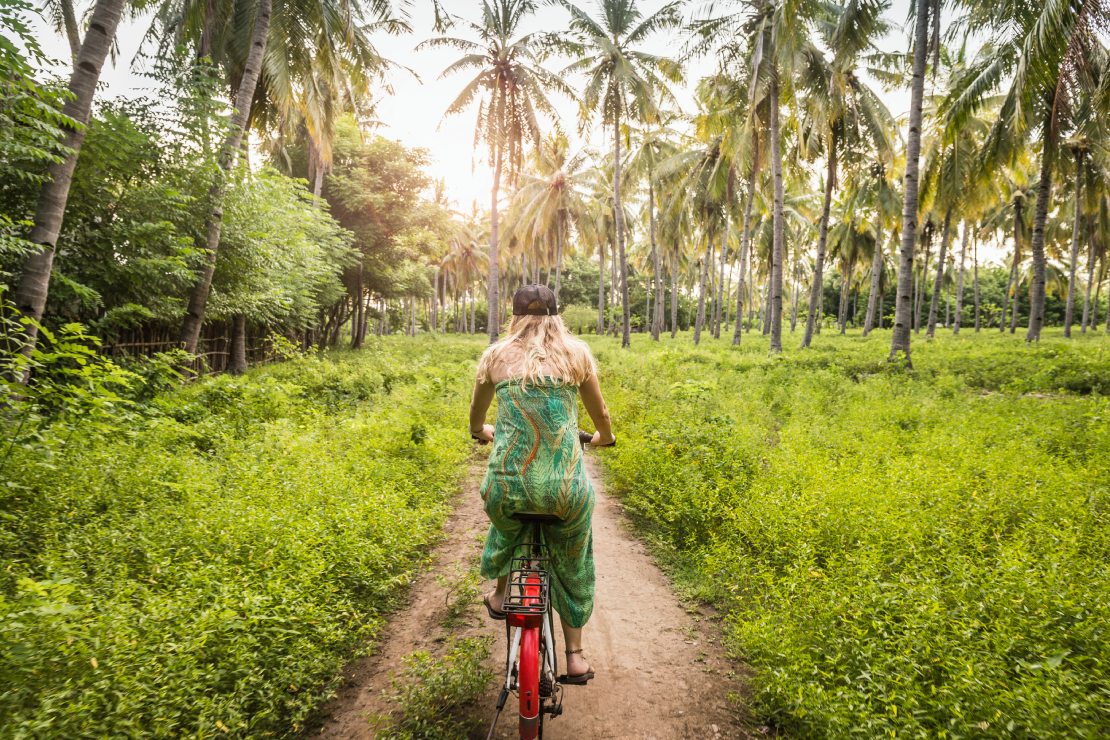
Sri Lanka is a country of breathtaking natural beauty and rich cultural heritage. However, the increasing number of tourists puts a strain on its fragile ecosystems and local communities. Sustainable travel is about minimizing your impact, supporting local economies, and preserving the island's environment for future generations.
Here is a guide to exploring Sri Lanka responsibly, ensuring your journey leaves a positive footprint.
Minimizing Environmental Impact
The most important rule of sustainable travel is to leave no trace.
- Plastic Reduction: Sri Lanka struggles with plastic waste. Bring a reusable water bottle and fill it up at your hotel or local shops that offer filtered water. Carry a reusable shopping bag for markets.
- Wildlife Interaction: Never touch, feed, or harass wild animals. When visiting national parks like Yala or Udawalawe, stick to the designated roads and follow your guide's instructions. Avoid attractions that offer direct contact with wild animals, such as elephant riding.
- Coral Reefs: When snorkeling or diving (especially in places like Hikkaduwa or Pigeon Island), do not touch or stand on the coral. Even a light touch can kill these delicate organisms. Use reef-safe sunscreen to protect the marine environment.
Supporting the Local Economy
Ensure your money benefits the local community rather than large international corporations.
- Eat Local: Dine at small, family-run restaurants and street food stalls. This not only gives you an authentic culinary experience but also directly supports local livelihoods.
- Buy Local Crafts: Purchase souvenirs directly from artisans. Sri Lanka is famous for its batiks, wood carvings, and spices. Buying from local markets or cooperatives ensures the creators receive fair compensation.
- Choose Local Accommodation: Consider staying in homestays, guesthouses, or locally owned boutique hotels rather than large international resort chains. This keeps your tourism dollars within the community.
Respecting Culture and Customs
Sri Lanka is a deeply religious and traditional country. Respecting local customs is crucial.
- Dress Code: When visiting temples (like the Temple of the Tooth in Kandy) or sacred sites, dress modestly. Cover your shoulders and knees. You will often need to remove your shoes before entering.
- Photography: Always ask for permission before taking photos of locals, especially in rural areas or when photographing children. Be respectful if someone declines.
Sustainable Transport
Choosing the right mode of transport can significantly reduce your carbon footprint.
- Public Transport: Utilize Sri Lanka's extensive network of trains and buses for long-distance travel. The trains offer scenic, low-emission journeys.
- Tuktuks: For short distances in cities, tuktuks are more fuel-efficient than large taxis or SUVs.
- RentaKey for Efficient Travel: If you need a car, RentaKey allows you to choose the most efficient vehicle for your needs. Instead of renting a massive SUV for a solo trip, you can find a compact, fuel-efficient hatchback through the platform. RentaKey's location-based system helps you find the nearest vehicle, reducing unnecessary driving. You can also opt for a chauffeur service if you prefer not to drive, allowing you to relax while a local expert navigates the routes efficiently.
Conclusion
Traveling sustainably in Sri Lanka is a rewarding experience. By making conscious choices about where you eat, what you buy, and how you travel, you can contribute to the preservation of this beautiful island. Use platforms like RentaKey to plan your journey efficiently, ensuring you have the right transport to explore responsibly and comfortably.